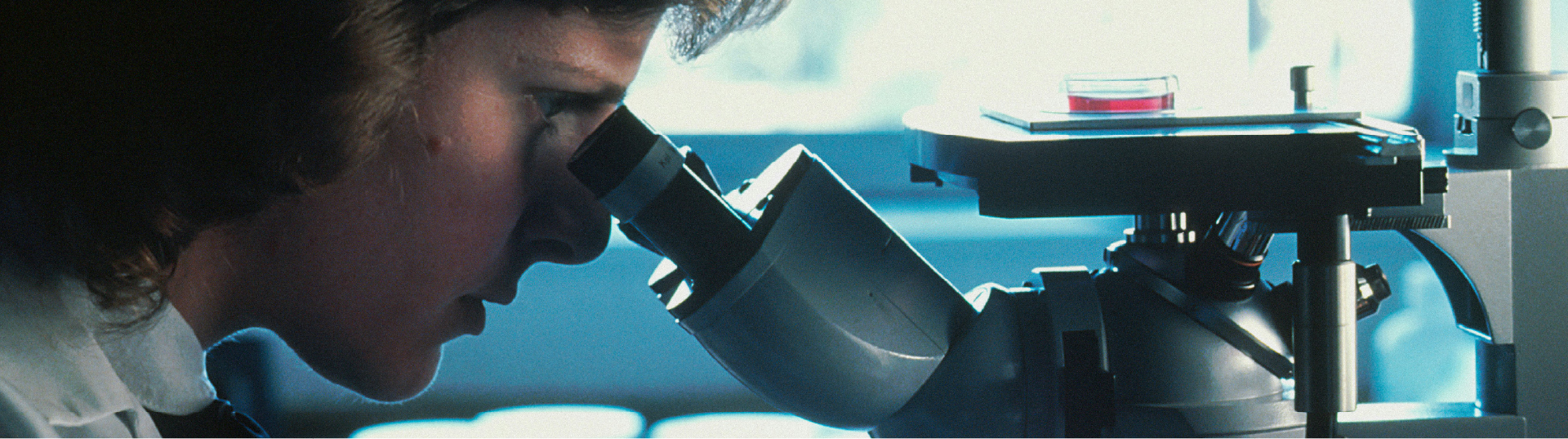
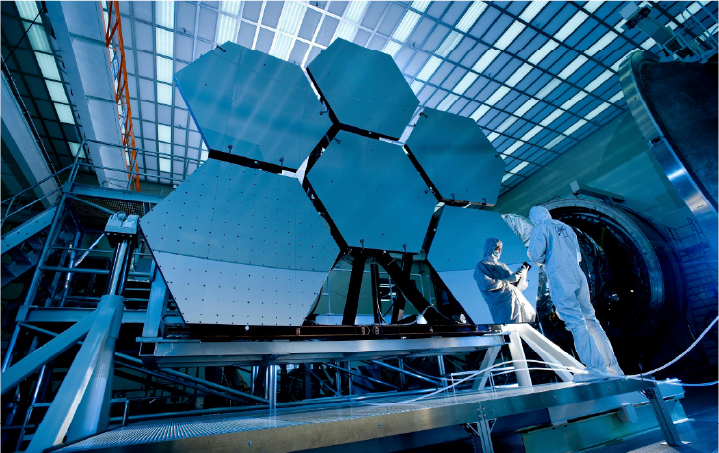
The use of technical ceramics in extreme environments is well known. Some of the most demanding applications are at the cutting edge of scientific research where ceramics function in ultra-high vacuum providing electrical insulation whilst undergoing bombardment by high magnetic fields, radioactive environments or cryogenic temperatures.
The ability of technical ceramics to survive and deliver consistent performances across a range of research from the latest fusion science to advanced particle physics, high energy lasers and cryogenic research shows the scope and capability of the materials we offer.
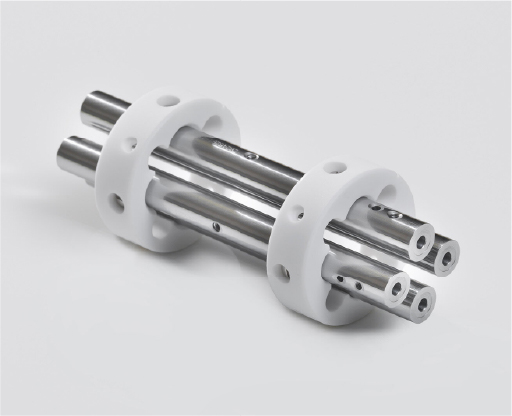
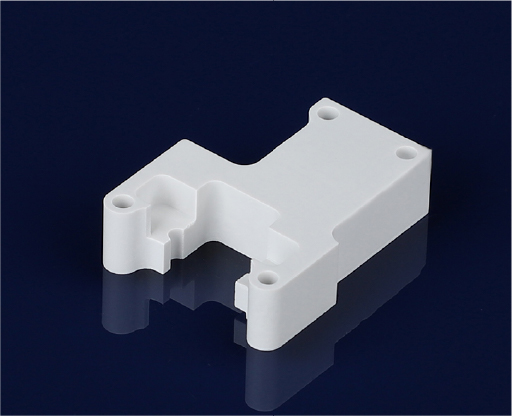
We provide custom ceramic components and precision machining services tailored specifically for scientific research applications, supporting both prototype development and small-to-medium batch production.

Used in vacuum systems, optical mounts, ion traps, spectrometers, lasers, and precision gyroscopes.Stable, insulating, high-precision ceramic components for demanding research applications.

Our customers generate approximately 25% of the electricity in the world today using GE Vernova’s installed base of technologies.
We have supplied high-precision Macor and Shapal-HI-M ceramic holders and fixtures for scientific research projects at leading institutions such as the National University of Singapore and the University of Maryland, supporting demanding applications in vacuum, optical, and advanced research systems.


Our customers generate approximately 25% of the electricity in the world today using GE Vernova’s installed base of technologies.
We have supplied high-precision Macor and Shapal-HI-M ceramic holders and fixtures for scientific research projects at leading institutions such as the National University of Singapore and the University of Maryland, supporting demanding applications in vacuum, optical, and advanced research systems.
| Material | MACOR | Aluminum Nitride | Alumina | Silicon Carbide | Silicon Nitride | Zirconia | SHAPAL Hi M |
|---|---|---|---|---|---|---|---|
| Roundness | 0.001 | 0.001 | 0.001 | 0.001 | 0.001 | 0.001 | 0.001 |
| Internal Thread | M1.2 | 0.001 | 0.001 | 0.001 | 0.001 | 0.001 | 0.001 |
| Flatness | M1.2 | 0.001 | 0.001 | 0.001 | 0.001 | 0.001 | 0.001 |
| Concentricity | M1.2 | 0.001 | 0.001 | 0.001 | 0.001 | 0.001 | 0.001 |
| Flatness | M1.2 | 0.001 | 0.001 | 0.001 | 0.001 | 0.001 | 0.001 |
| Concentricity | M1.2 | 0.001 | 0.001 | 0.001 | 0.001 | 0.001 | 0.001 |
| Flatness | M1.2 | 0.001 | 0.001 | 0.001 | 0.001 | 0.001 | 0.001 |
| Concentricity | M1.2 | 0.001 | 0.001 | 0.001 | 0.001 | 0.001 | 0.001 |
| Material | MACOR | Aluminum Nitride | Alumina | Silicon Carbide | Silicon Nitride | Zirconia | SHAPAL Hi M |
|---|---|---|---|---|---|---|---|
| Roundness | 0.001 | 0.001 | 0.001 | 0.001 | 0.001 | 0.001 | 0.001 |
| Internal Thread | M1.2 | 0.001 | 0.001 | 0.001 | 0.001 | 0.001 | 0.001 |
| Flatness | M1.2 | 0.001 | 0.001 | 0.001 | 0.001 | 0.001 | 0.001 |
Disclaimer: The values presented are mean and typical of those resulted from test samples
English
German
Japanese
Spanish
Industrial Zone,
City, Country